Religious
Pitru Paksha 2025: Honoring Ancestors and the Significance of Gaya Ji Mela
Pitru Paksha 2025 will be marked from September 7 to September 21, reflected with traditional rituals and the holy Gaya Ji Mela. This year is exceptional as the season opens with a rare lunar eclipse, making offerings like Pinda Daan and Tarpan even more spiritually powerful.

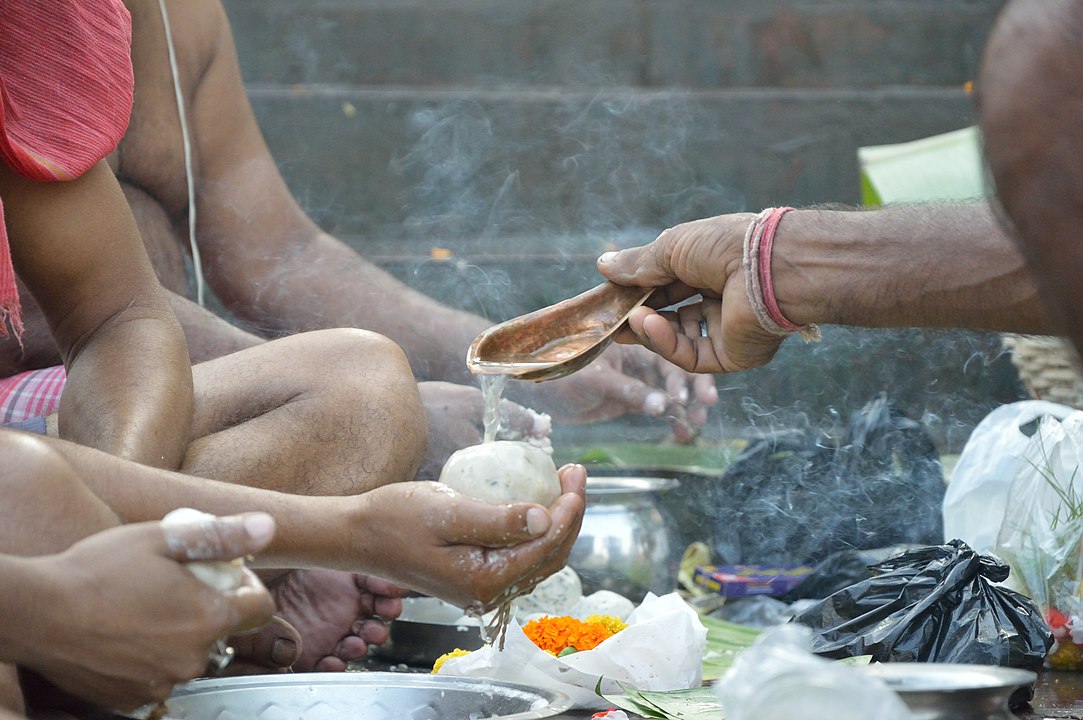
Pitru Paksha is an occasion which is believed to be of significant spiritual value and is honored by Hindus all over the world every year. Pitru Paksha—basically, it’s two weeks straight where families go all out honoring their ancestors. We’re talking food offerings, prayers, the whole shebang. This year, it kicks off on September 7, 2025, and wraps up September 21, 2025, right on Sarvapitri Amavasya (try saying that three times fast).
During this stretch, people are hustling with rituals, hoping for good vibes—like health, cash flow, maybe even some spiritual upgrades from their dearly departed. And let’s not forget Bihar’s Gaya. When Pitru Paksha hits, this place turns into the epicenter of ancestor energy. The Gaya Ji Mela? Massive. Pilgrims everywhere. It’s like spiritual Coachella, but with less glitter and more history.
Stick with us at WDC News—we’re diving deep into what makes Pitru Paksha tick, why Gaya gets all the love, and honestly and truly immersing ourselves in the wild stories and traditions that define this festival. Mythology, family, faith, and a little bit of chaos—sounds about right.
What is Pitru Paksha?
Pitru Paksha literally means “Fortnight of the Ancestors,” which sounds kind of dramatic, but honestly, it’s pretty spot-on. For, like, sixteen days people in India get all ritualistic, doing these Śrāddha and Tarpan ceremonies. Basically, you feed your ancestors, pour some water, say some prayers, and hope your family gets blessed—or doesn’t get haunted by bad karma.
The whole deal is that, supposedly, the gates to the ancestor realm swing open. Spirits pop by earth to check in on their descendants, maybe give them a cosmic pat on the back. So, these offerings to show respect, keep the family legacy tight, and, you know, ask for forgiveness in case you forgot to do something important for your ancestors. It’s part tradition, part spiritual insurance, if you ask me.
The Mythological Story Behind Pitru Paksha
Hinduism views you as part of a vast cosmic family tree. Basically, you owe. They call it “Pitru Rin,” ancestral debt. They gave you life, a name, and that unpleasant nose you inherited.
The Garuda Purana and Markandeya Purana say Shradh (ancestor rites) helps your loved ones travel to heaven or whatever’s next on their spiritual journey. Ultimate goal? Moksha.That’s release from the constant wheel of birth and rebirth, which, let’s be frank, sounds tedious.
Traditionally, it was the eldest son’s role to do all this.But now? Families are mixing it up.Women, younger folks—everyone’s getting in on the act, especially in cities. Thanks to social media and community, WhatsApp groups, you’ll even find people describing how they did Shradh in their apartments, merging ancient practices with a side of Wi-Fi.
And if you’re into mythology, there’s this wild story from the Mahabharata about Karna—the warrior with the golden armor. After he dies in the big fight, he arrives in paradise, and, instead of a feast, the gods hand him a pile of gold and jewels. Karna’s like, “Uh, where’s the food?” Indra basically tells him, “Listen, you gave out tons of gold on Earth, but you never fed your ancestors.” Karna begs for a do-over, and Indra lets him pop back down for 16 days to make it right—feeding the destitute and honoring his progenitors. That’s where Pitru Paksha comes from: sixteen days dedicated to making sure your ancestors aren’t hungry in the afterlife.
So yeah, it’s about respect, tradition, and maybe—just maybe—keeping Grandma’s ghost off your case.
Rituals and Traditions of Pitru Paksha
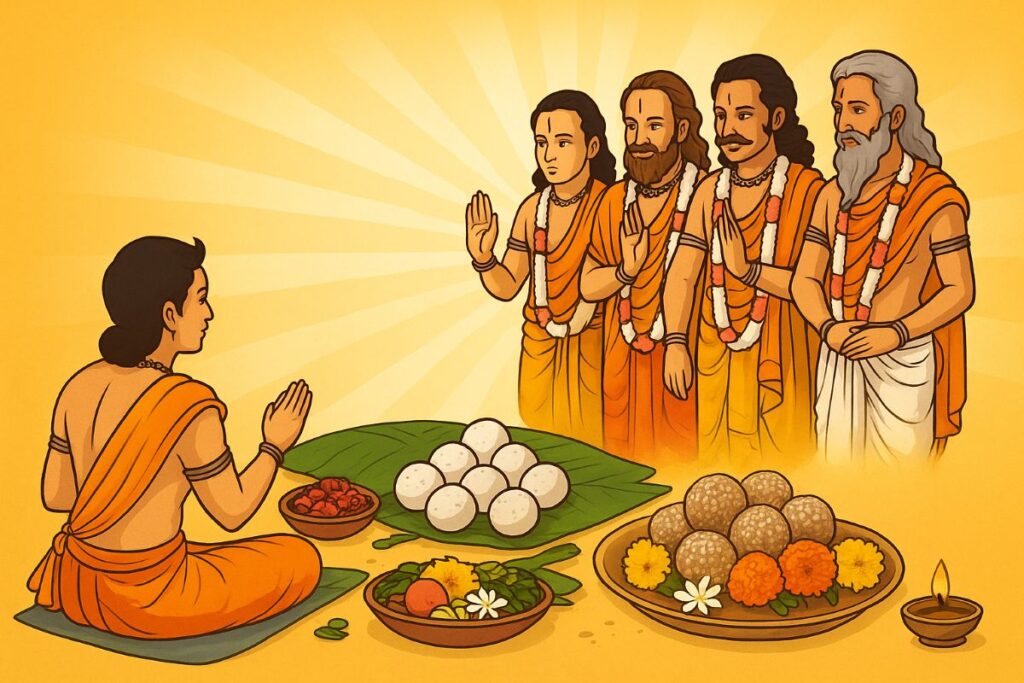
They call the collection of these rites Śrāddha Karma, and honestly, it’s like a spiritual to-do list for your ancestors:
- Tarpan (Offering of Water): folks standing by a river or even a bucket in their backyard, pouring out water mixed with sesame seeds and barley, chanting away like they’re calling up the family WhatsApp group from the afterlife. It’s actually kind of moving.
- Pinda Daan (Offering of Rice Balls): You roll up these rice balls—pindas—with ghee, honey, and black sesame, and then offer them up. It’s like ancestral meal prep, but way more meaningful. I mean, if I were a ghost, I’d appreciate a homemade snack.
- Feeding Brahmins and cows: And just people in need. Apparently, your ancestors get super happy if you do this. Like, “Wow, my great-grandkid is handing out food? Instant blessings!” Even cows get in on the action, which is peak India.
- Observing Fasts: People also go on food restrictions—lots of families skip meat, onions, and garlic. Some even fast. It’s about keeping things pure, I guess, but honestly, I’d miss garlic way more than I should admit.
- Charity: Of course, charity. Giving away clothes, food, and essentials—this stuff is gold during Pitru Paksha. Not only does it help people out, but supposedly, your ancestors are watching and giving you cosmic high-fives. Pretty sweet deal, if you ask me.
Origins and Legendary Tales
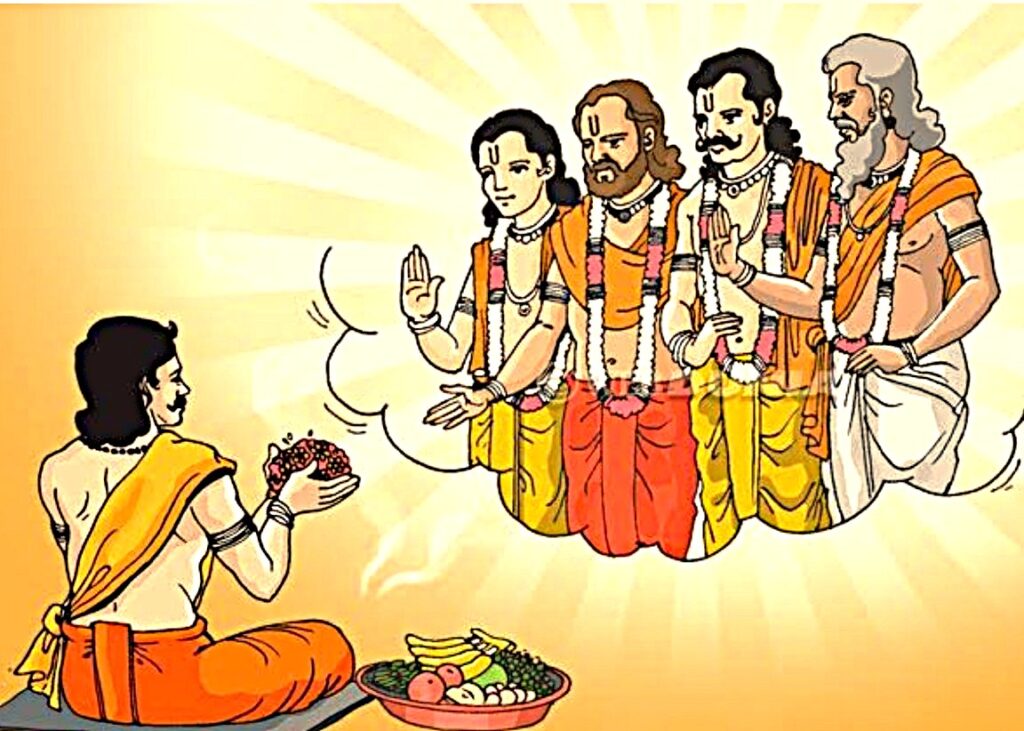
So here’s some information on Pitru Paksha, and honestly, it’s got all the turns of the epic history of Mahabharat. Karna, the ultra-generous dude from the Mahabharata, wins big in battle, dies, and heads off to heaven. You’d think he’d be set, right? Nope! He’s famished up there, and every time he attempts to eat, his food merely turns into gold. Talk about a nasty joke.
So Karna’s up there, bewildered and probably really annoyed, until he meets Indra (or Yama, depending on who’s spinning the narrative). And they drop this truth bomb: all the money he has given away on earth signifies nada when it comes to feeding your ancestors. He never performed the Shradh thing—feeding his forefathers—mostly because he didn’t even know his biological parents.
The gods feel really horrible, so they send him back to earth for 15 days—like, “Now you can do the ancestor rituals properly.” Karna eventually gets to feed food and water to his roots; that’s how Pitru Paksha becomes a thing.
So yeah, it’s basically a yearly reminder: no matter how much good you do, don’t forget your family. Respect your roots, feed your ancestors, and maybe, just maybe, you won’t get caught with a mouthful of riches in the hereafter.
Why Gaya Ji is the Holiest Place for Pitru Paksha
You know, Pitru Paksha is celebrated everywhere in India, and also in other countries people started this, but when it comes to Gaya Ji in Bihar? That place is the gold standard for Śrāddha. People honestly believe that doing Pinda Daan at Gaya is the surefire way to help their ancestors.
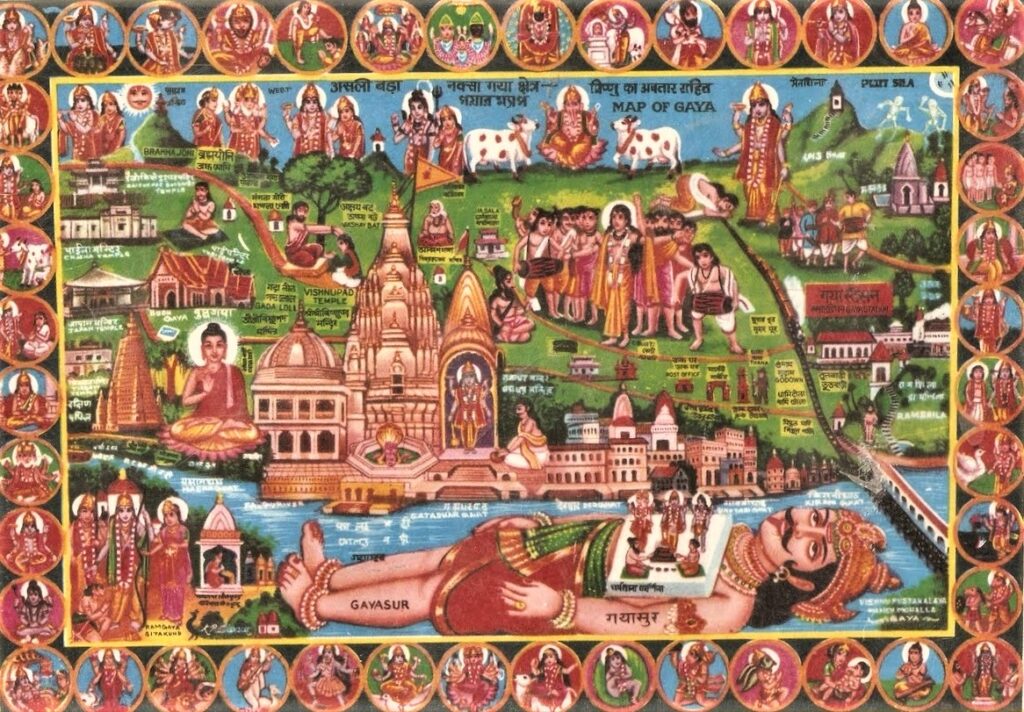
Lord Vishnu pressed his foot on this demon named Gayasura right in Gaya. His actual footprint is still there, and that’s what the Vishnupad Temple is all about. Vishnu even promised that any offerings made there would bring serious peace to your ancestors.
That’s why, every year during Pitru Paksha, people come from all over—India, Nepal, and even parts of Southeast Asia. Everybody’s just flocking to Gaya Ji to do these rituals. It’s like the ultimate family reunion, but for your ancestors!
The Story Behind the Gaya Ji Mela
It’s this massive, religious gathering in Bihar where people—seriously, lakhs of them—show up every year during Pitru Paksha. Gaya basically turns into one huge religious gathering, but like, on a spiritual level.
It’s a giant cultural mash-up—food stalls, people catching up, all sorts of traditions, and a vibe that’ll make you wanna stick around. And get this: this isn’t some recent thing. We’re talking centuries of history, straight back to the Gupta and Maurya days. The holy town of Gaya transforms into a spiritual hub.
Now, when it comes to the rituals, you’ve got these priests—Gayawal Pandas, the real pros—scattered along the Falgu River, guiding everyone through the Pinda Daan stuff. People hop from one sacred spot to another: the Vishnupad Temple, Pretshila Hill, Akshayavat Tree (legend central), Ramshila, and Brahmayoni Hills. Each place has its own cool backstory, and folks believe doing the rituals here basically guarantees your ancestors are happy and chill up above.
Honestly, it’s one of those events where everyone feels like family, whether you know them or not. If you’re ever in Bihar during Pitru Paksha, just go. You’ll get it.
The Full Story Behind Gaya Ji Mela: The Legend of Gayasura
It all starts with this wild story about Gayasura—a demon with some serious devotion issues. His legend comes straight out of the big-league Hindu texts, the Vayu Purana and Bhagavata Purana.
Who was Gayasura?
Gayasura, son of Tripurasura (the God Shiva took out), lands the demon throne and decides he’s going to be the ultimate God Vishnu bhakti. He meditates so hard in the mountains that the gods basically freak out—like, “Is he about to break the universe or something?” Total panic in heaven.
So, they call in Vishnu for some damage control. Vishnu swings by and offers Gayasura a wish if he’ll just chill out. And what does Gayasura pick? Immortality—classic power move, right? Only catch: only Brahma, Vishnu, and Shiva can take him down. With his new superpower, Gayasura gets a bit out of hand and starts throwing shade at the gods.
The gods, not loving this new reality, and make a plan. The Trimurti (that’s the big three) show up dressed as humble Brahmins and ask Gayasura if they can use his body for a huge ritual to save the world from drought. Gayasura, wanting to be a good host, goes all-in—stretches his body across the land: head in Gaya, navel in Jajpur, and feet in Pithapuram. Talk about flexibility.
For seven days, the gods do their thing—Vishnu at the head, Brahma at the belly button, and Shiva at the toes. On the final day, Shiva pulls a fast one and crows like a rooster before sunrise, tricking Gayasura into moving. Boom, vow broken, surprise—Trimurti reveal!
Now, instead of getting salty, Gayasura asks for some wild boons: he wants Vishnu’s foot permanently on his chest (yup), the spot to become the ultimate ritual hotspot for helping ancestors, and a backup plan if anyone falls through the cracks. Vishnu’s like, “You got it,” and plants his foot, basically making Gaya the place to be for anyone doing ancestral rituals.
And that’s why Gaya’s such a big deal. The whole Vishnupad Temple thing? It’s not just a cool story—people actually believe doing the rituals there sets all your ancestors free, not just the last three generations.
Modern-Day Relevance of Pitru Paksha and Gaya Ji Mela
Loads of NRIs actually hop on flights back to India, especially to Gaya Ji, just to be part of the rituals. That’s dedication.
Now, with everyone glued to their phones and always in a rush, tech has jumped in to keep up. You can literally book a priest online, reserve a room, and even do a digital darshan if you’re stuck at work or can’t make the trip. Honestly, who saw that coming? The tradition’s still alive—just with more Wi-Fi.
The Gaya Ji Mela also contributes significantly to Bihar’s economy, boosting tourism, local businesses, and traditional crafts.
Pitru Paksha 2025 Dates
- Start Date: September 3, 2025 (Purnima Shraddha)
- End Date: September 17, 2025 (Sarva Pitru Amavasya)
The last day is also called Sarva Pitru Amavasya. If you’ve skipped a ritual, this is your golden ticket to make it up and honor every ancestor.
Conclusion
Pitru Paksha 2025, it’s coming around again, and you know what that means: families all over getting together to remember their ancestors, say a few prayers, and maybe argue about who forgot to bring the sweets. The whole Śrāddha and Pinda Daan thing at Gaya Ji? That’s not just some old ritual your grandma talks about—it’s a living, breathing link that somehow keeps the past hanging around in the present.
And don’t even get me started on the Gaya Ji Mela. People call it a religious fair, but honestly, it’s way more than that. Think of it as a festival where mythology and reality blur, and everyone’s just rolling with it.
So when folks crowd the gathering of the Falgu River or line up at the Vishnupad Temple. They’re not just ticking off some spiritual. They’re kind of recharging the whole family tree. It’s about honoring the folks who came before, sure, but it’s also about keeping those roots deep and making sure the stories (and, yeah, maybe the drama) keep going, generation after generation. Life, death, and everything messy in between—it all gets a nod.


Pitru Paksha 2025: Honoring Ancestors and the Significance of Gaya Ji Mela

Maruti Suzuki Victoris Launch 2025 – Big Bet in the SUV Market


